
Narborg
New member
C S lewis said that he thought of geroge MacDoanld and G K Chesterton as the two authors who infuince his the most. How many people here have read any of there works, and if so what did you think of them
I've just finished reading The Man was was Thrusday, and while I found it a great read, with som thoughful coments, Im still trying to work out what it means.....
Ive also read Orthodoxy, and at the Back of the North wind.
You can see in each of them how Lewis has bean infulince, and I would love to read some of there other works, when I can get my hands on them...
Some books by G. K. Chesterton for all works.
Charles Dickens (1903)
The Napoleon of Notting Hill (1904)
Heretics (1905)
The Man Who Was Thursday (1907)
Orthodoxy (1908) Doubleday, 1991.
The Ballad Of The White Horse (1911) poetry
Father Brown short stories (detective fiction)
Eugenics and Other Evils (1922)
The Everlasting Man (1925)
some works by Goerge Macdonald
Within and Without (1855)
Poems (1857)
Phantastes (1858)
Cross Purposes (1862)
David Elginbrod (1863) (republished as The Tutor's First Love)
The Portent (1864)
Adela Cathcart (1864) (contains The Light Princess, The Shadows, The Giant's Heart, My Uncle Peter, A Journey Rejourneyed and other shorter stories)
A Hidden Life and Other Poems (1864)
Alec Forbes of Howglen (1865) (republished as The Maiden's Bequest)[4]
Annals of a Quiet Neighbourhood (1867)
Unspoken Sermons (1867)
Dealings with the Fairies (1867) (contains The Golden Key)
The Disciple and Other Poems (1867)
Guild Court: A London Story (1868)
Robert Falconer (1868) (republished as The Musician's Quest)
England's Antiphon (1868, 1874)
The Seaboard Parish (1868)
The Miracles of Our Lord (1870)
At the Back of the North Wind (1871)
Ranald Bannerman's Boyhood (1871)
Works of Fancy and Imagination (1871)
Wilfrid Cumbermede (1871, 1872)
The Vicar's Daughter (1871, 1872)
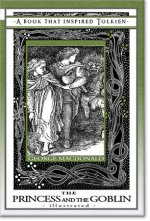
The Princess and the Goblin (1872)
The History of Gutta-Percha Willie, the Working Genius (1873)
Malcolm (1875) (republished as a two-volume work containing The Fisherman's Lady and The Marquis' Secret)
The Lost Princess (1875) [alternative title: * The Wise Woman: A Parable]
Exotics (1876)
St. George and St. Michael (1876)
Thomas Wingfold, Curate (1876) (republished as The Curate's Awakening)
The Marquis of Lossie (1877) (republished asThe Marquis’ Secret)
Paul Faber, Surgeon (1879) (republished asThe Lady's Confession)
Sir Gibbie (1879) (republished as The Baronet's Song)
A Book of Strife, in the Form of the Diary of an Old Soul (1880)
Mary Marston (1881) (republished as A Daughter's Devotion)
Warlock O' Glenwarlock (also entitled The Laird's Inheritance or Castle Warlock)[4][5]
Weighed and Wanting (1882) (republished as A Gentlewoman's Choice)[4][5]
The Gifts of the Child Christ and Other Tales (1882)
Orts: Chiefly Papers on the Imagination, and on Shakespeare (1882)
The Day Boy and the Night Girl (1882)
The Princess and Curdie (1883, sequel to ' The Princess and the Goblin ')
Donal Grant (1883) (republished as The Shepherd's Castle) Companion story of Gibbie and his friend Donal[6]
A Threefold Cord: Poems by Three Friends (1883)
Preface to Letters from Hell by LWJS (1884)
The Tragedie of Hamlet, Prince of Denmarke: A Study with the Test of the Folio of 1623 (1885)
Unspoken Sermons, Second Series (1885)
What's Mine's Mine (1886) (republished as The Highlander's Last Song)[7]
Poems (1887)
Home Again, a Tale (1887) (republished as The Poet's Homecoming)
The Elect Lady (1888) (republished as The Landlady's Master)
Unspoken Sermons, Third Series (1889)
A Rough Shaking (1891)
There and Back (1891 (republished as The Baron's Apprenticeship)[4]
The Flight of the Shadow (1891)
A Cabinet of Gems (1891)
Life Essential: The Hope of the Gospel (1892)
Heather and Snow (1893) (republished as The Peasant Girl's Dream)[8]
A Dish of Orts (1893)
The Poetical Works (1893) (including many previously unpublished poems)
Scotch Songs and Ballads (1893)
Lilith (1895)
Salted with Fire (1896) (republished as The Minister's Restoration)[9][4]
Far above Rubies (1898)
I've just finished reading The Man was was Thrusday, and while I found it a great read, with som thoughful coments, Im still trying to work out what it means.....
Ive also read Orthodoxy, and at the Back of the North wind.
You can see in each of them how Lewis has bean infulince, and I would love to read some of there other works, when I can get my hands on them...
Some books by G. K. Chesterton for all works.
Charles Dickens (1903)
The Napoleon of Notting Hill (1904)
Heretics (1905)
The Man Who Was Thursday (1907)
Orthodoxy (1908) Doubleday, 1991.
The Ballad Of The White Horse (1911) poetry
Father Brown short stories (detective fiction)
Eugenics and Other Evils (1922)
The Everlasting Man (1925)
some works by Goerge Macdonald
Within and Without (1855)
Poems (1857)
Phantastes (1858)
Cross Purposes (1862)
David Elginbrod (1863) (republished as The Tutor's First Love)
The Portent (1864)
Adela Cathcart (1864) (contains The Light Princess, The Shadows, The Giant's Heart, My Uncle Peter, A Journey Rejourneyed and other shorter stories)
A Hidden Life and Other Poems (1864)
Alec Forbes of Howglen (1865) (republished as The Maiden's Bequest)[4]
Annals of a Quiet Neighbourhood (1867)
Unspoken Sermons (1867)
Dealings with the Fairies (1867) (contains The Golden Key)
The Disciple and Other Poems (1867)
Guild Court: A London Story (1868)
Robert Falconer (1868) (republished as The Musician's Quest)
England's Antiphon (1868, 1874)
The Seaboard Parish (1868)
The Miracles of Our Lord (1870)
At the Back of the North Wind (1871)
Ranald Bannerman's Boyhood (1871)
Works of Fancy and Imagination (1871)
Wilfrid Cumbermede (1871, 1872)
The Vicar's Daughter (1871, 1872)
The Princess and the Goblin (1872)
The History of Gutta-Percha Willie, the Working Genius (1873)
Malcolm (1875) (republished as a two-volume work containing The Fisherman's Lady and The Marquis' Secret)
The Lost Princess (1875) [alternative title: * The Wise Woman: A Parable]
Exotics (1876)
St. George and St. Michael (1876)
Thomas Wingfold, Curate (1876) (republished as The Curate's Awakening)
The Marquis of Lossie (1877) (republished asThe Marquis’ Secret)
Paul Faber, Surgeon (1879) (republished asThe Lady's Confession)
Sir Gibbie (1879) (republished as The Baronet's Song)
A Book of Strife, in the Form of the Diary of an Old Soul (1880)
Mary Marston (1881) (republished as A Daughter's Devotion)
Warlock O' Glenwarlock (also entitled The Laird's Inheritance or Castle Warlock)[4][5]
Weighed and Wanting (1882) (republished as A Gentlewoman's Choice)[4][5]
The Gifts of the Child Christ and Other Tales (1882)
Orts: Chiefly Papers on the Imagination, and on Shakespeare (1882)
The Day Boy and the Night Girl (1882)
The Princess and Curdie (1883, sequel to ' The Princess and the Goblin ')
Donal Grant (1883) (republished as The Shepherd's Castle) Companion story of Gibbie and his friend Donal[6]
A Threefold Cord: Poems by Three Friends (1883)
Preface to Letters from Hell by LWJS (1884)
The Tragedie of Hamlet, Prince of Denmarke: A Study with the Test of the Folio of 1623 (1885)
Unspoken Sermons, Second Series (1885)
What's Mine's Mine (1886) (republished as The Highlander's Last Song)[7]
Poems (1887)
Home Again, a Tale (1887) (republished as The Poet's Homecoming)
The Elect Lady (1888) (republished as The Landlady's Master)
Unspoken Sermons, Third Series (1889)
A Rough Shaking (1891)
There and Back (1891 (republished as The Baron's Apprenticeship)[4]
The Flight of the Shadow (1891)
A Cabinet of Gems (1891)
Life Essential: The Hope of the Gospel (1892)
Heather and Snow (1893) (republished as The Peasant Girl's Dream)[8]
A Dish of Orts (1893)
The Poetical Works (1893) (including many previously unpublished poems)
Scotch Songs and Ballads (1893)
Lilith (1895)
Salted with Fire (1896) (republished as The Minister's Restoration)[9][4]
Far above Rubies (1898)