

While fans may have groused with the Walden Media years of Narnia that they had been trying too hard to ape The Lord of the Rings by focusing on epic battles that weren’t present in the book, one bit of inspiration that was appropriate for the film came in its soundtrack. The Lord of the Rings didn’t need a big name like The Spice Girls, Britney Spears, or Christina Aguilera in the soundtrack singing some heavily saturated, over-produced pop song. It relied heavily on the stinging vocals of indie-folk artists who could add to the movie’s musical soul with haunting, ethereal vocals that captured the nature of the story. These songs, and the artists who recorded them, thanks to not having the baggage associated with a pop star’s career, have become timeless and synonymous with the stories themselves.
 The same was true for the Walden Media adaptation of The Lion, The Witch and the Wardrobe, and in fact, much like with Enya, Emiliana Torrinni, and Annie Lennox in The Lord of the Rings, the key to finding the perfect background vocals for the land of Narnia lay not in early 2000s pop or the Disney Channel’s rock star machine like Hilary Duff or Miley Cyrus, but versatile performers versed within the motion picture soundtrack industry. A number of artists had been considered and optioned, and while there was certainly one chart-topping star in the line-up, the vast majority were from the folk style of music.
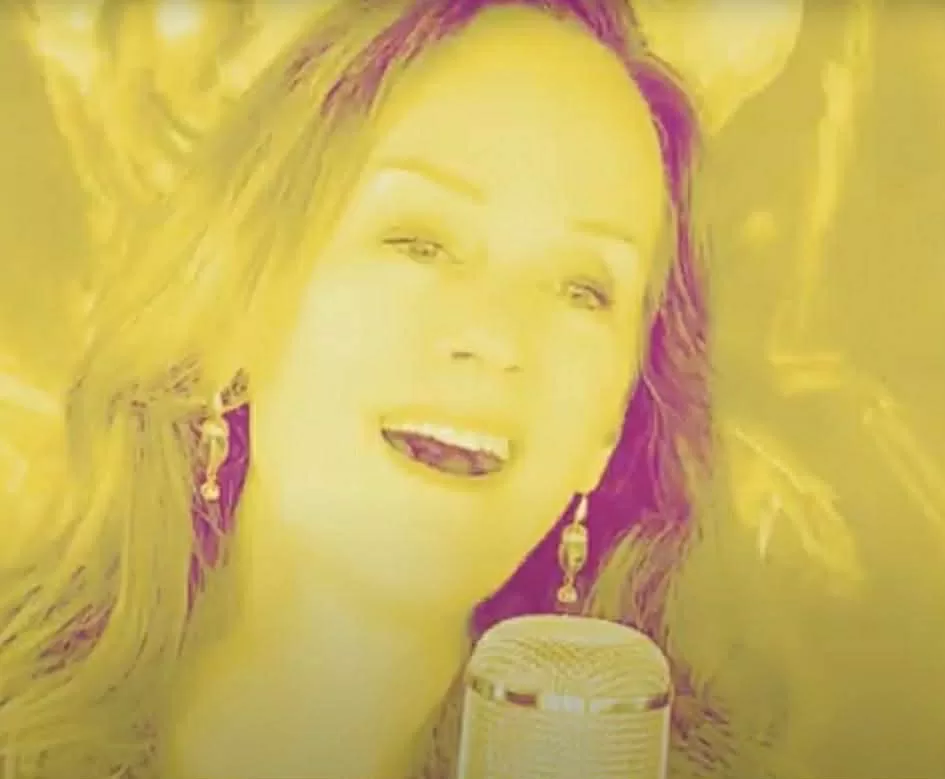
For Narnia, this came through Lisbeth Scott. A prolific recording artist for film in her own right. Like Enya and Annie Lennox from The Lord of the Rings, she is one of the many names called upon by composers and producers to supply a haunting, lyrical background vocal on a film’s soundtrack. To date, Lisbeth has been a part of such projects as Shrek, Avatar, Avatar: The Way of Water, Munich, Carnival Row, Underworld: Bloodwar, Gone Baby Gone, Transformers: Revenge of the Fallen, and the video game Metal Gear Solid, and co-wrote the music for The Passion of the Christ alongside composer John Debney. She’s even recorded an original setting to the hymn “Ave Maria,” and a beautiful arrangement of “Amazing Grace” which uses the original verses written by John Newton that feels nothing short of heavenly.
Like Enya’s voice greeting Frodo and the Fellowship (and the audience) upon their arrival into Rivendell and Lothlorien in Peter Jackson’s The Fellowship of the Ring, it’s Lisbeth’s voice that accompanies us on the journey of the Pevensies during the evacuation from London, then briefly as Lucy journeys into Narnia, and finally as the Pevensies travel from the Western Woods to Beavers Dam. We even hear her vocals during the film’s climax as Aslan approaches the Stone Table. Considering her connection to The Passion of the Christ it is a very subtle, and yet brilliant link that connects the two soundtracks together, and hints at just who Aslan really is.
To that end, she functions as a musical narrator, welcoming us to the threshold of the story, and guiding us to the next place as our heroes go on this incredible journey. Thus, Lisbeth’s song “Where” is in many ways the true end-credit theme to The Lion, the Witch and the Wardrobe. Co-written by Scott and the film’s composer, Harry Gregson-Williams, the song is positioned at the very end as a sort of musical “button” to seal up the spectacle we have just seen, to remind us of the wonder and enchantment we’ve just felt, as we journeyed with Peter, Susan, Edmund, and Lucy into Narnia and encountered Aslan.
Oddly enough, the song was only included on the soundtrack and released as a single and not featured in the film’s end credits. It’s almost a shame too, as, of the songs at the end of the original motion picture soundtrack, this one felt more like the “theme” to Narnia. Enchanting and at the same time haunting, there is something about her voice that draws you into the song. In fact, if I were to venture a guess, many fans have probably listened to the soundtrack so much that they would swear it played over the end credits. I know I certainly did.
Just as haunting as her vocals is the brilliant use of the “Pevensie” leitmotif from the film that was introduced at the start of their journey during the “Evacuation of London.” As a result, like “In Dreams” in The Fellowship of the Ring using Howard Shore’s “The Shire” theme, this song helped establish the musical identity of Peter, Susan, Edmund, and Lucy and captured their sense of longing and loneliness that they feel as they leave home; while the verses dive into the struggles they face as they learn to lead, believe, hope, love, and forgive. In short, it is everything that Friends of Narnia would want in a musical theme for Narnia and more than deserves a place alongside other great themes from fantasy films.
SIDE A: “Where”
“Evacuating London”
SIDE B: “The Crucifixion”-The Passion of the Christ Original Motion Picture Soundtrack.
“Amazing Grace”

Be the first to comment